
The Negotiable Instruments Act 1881 holds paramount importance in commercial law, regulating various negotiable instruments facilitating trade and commerce in India. Let's delve into its intricacies to understand its implications and applications in contemporary business transactions.
Understanding Negotiable Instruments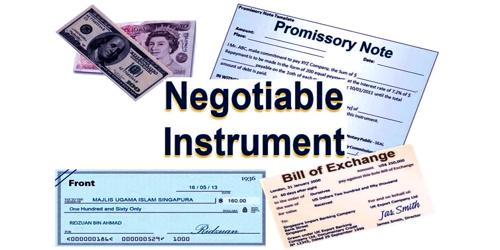
Defining Negotiable Instruments
Negotiable instruments are documents guaranteeing the transfer of a right from one person to another, either by endorsement or delivery. They include promissory notes, bills of exchange, and cheques, each serving distinct purposes in commercial transactions.
Significance of Negotiable Instruments
Negotiable instruments play a pivotal role in facilitating smooth business operations by providing a convenient and secure means of payment and credit. They ensure liquidity, credibility, and enforceability in financial transactions, thereby fostering economic growth and stability.
Historical Context of the Negotiable Instruments Act 1881
Origins of the Act
The Negotiable Instruments Act 1881 draws its roots from English mercantile law, adapted to suit the Indian context during the colonial era. It aimed to regulate the usage and transfer of negotiable instruments in British India, aligning with prevailing commercial practices.
Evolution over Time
Since its inception, the Act has undergone several amendments to accommodate changing business dynamics and legal requirements, ensuring its relevance and effectiveness in contemporary commercial dealings.
Key Provisions of the Negotiable Instruments Act 1881
Definition and Characteristics of Negotiable Instruments
The Act defines negotiable instruments and outlines their essential features, including negotiability, transferability, and enforceability, establishing a legal framework for their usage and regulation.
Classification of Negotiable Instruments
It categorizes negotiable instruments into three main types: promissory notes, bills of exchange, and cheques, each governed by specific provisions elucidating their nature, usage, and legal implications.
Rights and Liabilities of Parties
The Act delineates the rights, duties, and liabilities of the parties involved in negotiable instrument transactions, ensuring fairness, transparency, and accountability in financial dealings.
Negotiation and Endorsement
It prescribes rules governing the negotiation and endorsement of negotiable instruments, specifying the procedures and requirements for their transfer and assignment.
Dishonor and Discharge
The Act outlines the consequences of dishonor and mechanisms for the discharge of negotiable instruments, safeguarding the interests of holders and promoting certainty and finality in financial transactions.
Enforcement and Remedies
It provides recourse for aggrieved parties through legal remedies such as suits for recovery, injunctions, and compensation, reinforcing the enforceability and efficacy of negotiable instruments in commercial disputes.
Impact of the Negotiable Instruments Act 1881 on Business Practices
Facilitating Trade and Commerce
The Act streamlines commercial transactions by providing a standardized framework for negotiable instrument usage, reducing uncertainty and risk in business dealings and fostering trust and confidence among stakeholders.
Promoting Financial Inclusion
By recognizing various forms of negotiable instruments and facilitating their circulation, the Act promotes financial inclusion by extending access to credit and payment mechanisms to a wider spectrum of individuals and businesses.
Enhancing Legal Certainty
Its provisions regarding rights, liabilities, and enforcement mechanisms contribute to legal certainty and predictability in commercial transactions, enabling parties to enter into agreements with confidence and clarity.
FAQs (Frequently Asked Questions)
Q: What is the purpose of the Negotiable Instruments Act 1881?
A: The Act aims to regulate negotiable instruments such as promissory notes, bills of exchange, and cheques, ensuring their enforceability and facilitating commercial transactions.
Q: What are the main types of negotiable instruments covered under the Act?
A: The Act categorizes negotiable instruments into promissory notes, bills of exchange, and cheques, each governed by specific provisions elucidating their usage and legal implications.
Q: How does the Act contribute to financial inclusion?
A: By recognizing and regulating various forms of negotiable instruments, the Act promotes financial inclusion by extending access to credit and payment mechanisms to a wider spectrum of individuals and businesses.
Q: What are the consequences of dishonor under the Act?
A: Dishonor of a negotiable instrument may result in legal remedies such as suits for recovery, injunctions, and compensation, safeguarding the interests of holders and promoting certainty in financial transactions.
Q: Can negotiable instruments be transferred or assigned?
A: Yes, negotiable instruments can be transferred or assigned through negotiation and endorsement, subject to the prescribed procedures and requirements under the Act.
Q: How has the Act evolved over time to adapt to changing business dynamics?
A: Since its inception, the Act has undergone several amendments to accommodate evolving business practices and legal requirements, ensuring its relevance and effectiveness in contemporary commercial dealings.
Conclusion
The Negotiable Instruments Act 1881 stands as a cornerstone of commercial law, providing a robust legal framework for regulating negotiable instruments and facilitating smooth and efficient business transactions. Its provisions promote certainty, transparency, and accountability, contributing to the growth and development of the Indian economy.